



Ezra Twino | Kampala | 8 June 2026
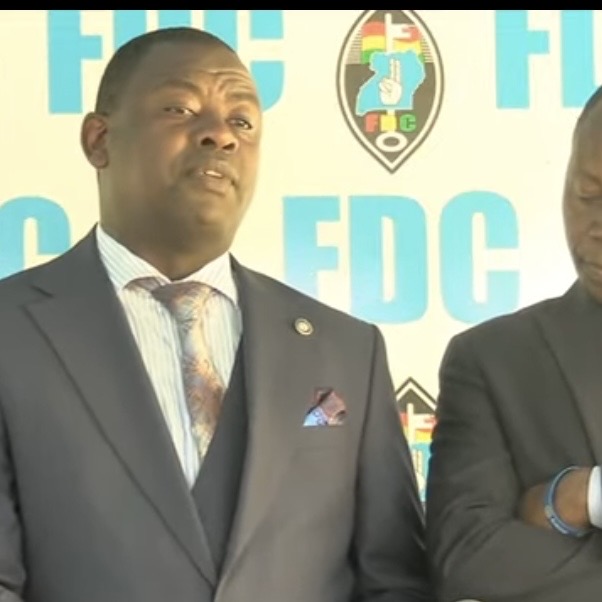
The newly elected Deputy President for Central Region of the Forum for Democratic Change (FDC), Hon. Ibrahim Kasozi Biribawa, has made one of his first major public interventions since assuming office by encouraging qualified Ugandan youth, including FDC supporters, to participate in the Uganda People’s Defence Force (UPDF) recruitment exercise.
Kasozi was elected Deputy President for Central Region last week, replacing Hon. Yusuf Nsibambi, who recently crossed from the opposition FDC to the ruling National Resistance Movement (NRM).
His election comes at a time when the opposition party is seeking to strengthen its structures and redefine its engagement with national institutions ahead of Uganda’s evolving political landscape.
In a statement issued on 8 June 2026, Kasozi welcomed the UPDF’s announcement of a nationwide recruitment exercise aimed at filling 10,200 positions between 10 and 24 June 2026. He described military service as “one of the highest expressions of patriotism and national duty” and urged eligible young people to consider joining the national army.
Addressing members of the media, Kasozi cited Article 208 of the Constitution, which establishes the Uganda People’s Defence Force as a national institution that must remain non-partisan, patriotic, professional, disciplined and subordinate to civilian authority.
“Members of the force shall be citizens of Uganda of good character, and no one shall raise an armed force except in accordance with this Constitution,” Kasozi said, emphasizing that participation in national institutions should not be viewed through partisan considerations.
The FDC leader argued that citizens from all political backgrounds have a role to play in building and strengthening national institutions.
“For many years, opposition political actors have often not provided clear guidance to their supporters regarding participation in national security institutions,” he stated. “As a democratic and national political organization committed to the development and stability of Uganda, the Forum for Democratic Change recognizes the importance of citizens participating in all lawful national institutions.”
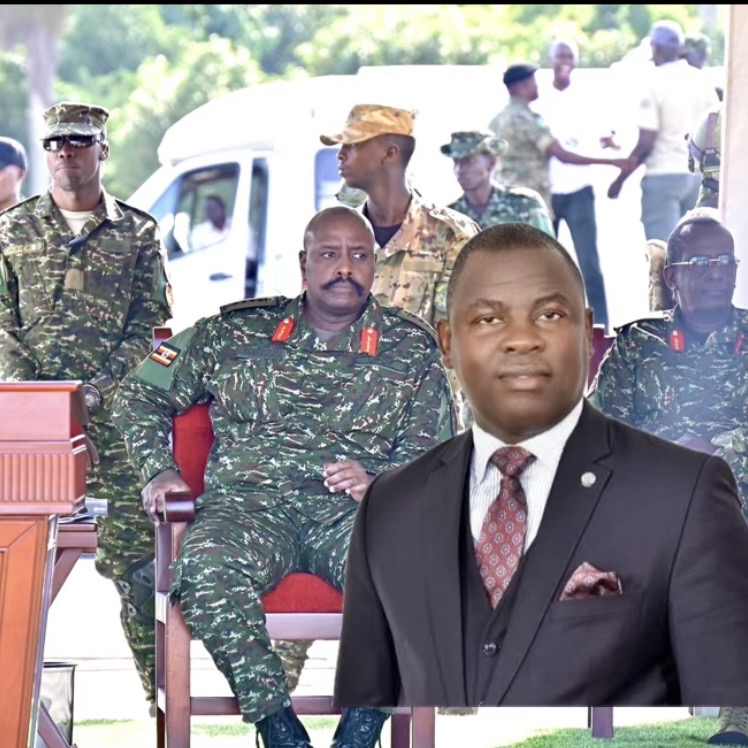
Kasozi specifically encouraged FDC youth and supporters across the country, particularly in the Central Region, to take advantage of the recruitment exercise if they meet the prescribed qualifications and requirements.
“Our nation benefits when its institutions reflect the diversity, talent and commitment of all Ugandans,” he said. “Service in the national army is both a career opportunity and a chance to contribute to the security and development of our country.”
A Shift in Opposition Messaging?
Beyond the recruitment exercise itself, Kasozi’s statement has generated discussion about what may be a significant shift in opposition thinking regarding participation in state institutions, particularly the security sector.
For many years, military and security service has often been perceived by sections of the opposition as a preserve of individuals sympathetic to the ruling NRM. As a result, opposition parties have rarely openly encouraged their supporters to pursue careers within the armed forces and other security agencies.
Kasozi’s remarks therefore stand out as one of the clearest calls by a senior opposition leader for supporters to actively seek opportunities within the country’s security establishment.
Political observers say the statement could be interpreted in several ways.
One school of thought views the call as a patriotic appeal grounded in constitutional principles. By referencing Article 208, Kasozi appears to be emphasizing that the UPDF belongs to all Ugandans regardless of political affiliation and that participation in national service should not be determined by partisan identity.
Others, however, see a potentially strategic political calculation behind the message. If more opposition-leaning Ugandans join national institutions such as the military, it could gradually challenge long-held perceptions that such institutions are dominated by supporters of the ruling establishment.
There is also an economic dimension to the debate. For years, opposition supporters have frequently expressed concerns that they are disadvantaged when it comes to accessing government employment opportunities. With youth unemployment remaining a major challenge, the UPDF recruitment exercise presents a pathway to stable employment, professional training and career development for thousands of young Ugandans.
In that context, Kasozi’s message could be interpreted as an attempt to encourage opposition youth to pursue opportunities that have traditionally been overlooked or viewed with political suspicion.
Whether the newly elected Deputy President for Central Region is advancing a long-term strategy of deeper opposition engagement with state institutions, seeking to expand employment opportunities for FDC supporters, or simply promoting patriotism and national service remains open to interpretation.
What is certain is that the statement has sparked an important conversation within opposition politics about citizenship, representation and participation in institutions that have historically been viewed through a partisan lens.
As the UPDF recruitment exercise begins on 10 June, attention will now turn to whether Kasozi’s call resonates with young opposition supporters and whether it signals a broader shift in how Uganda’s opposition approaches questions of national service and state institutions.