


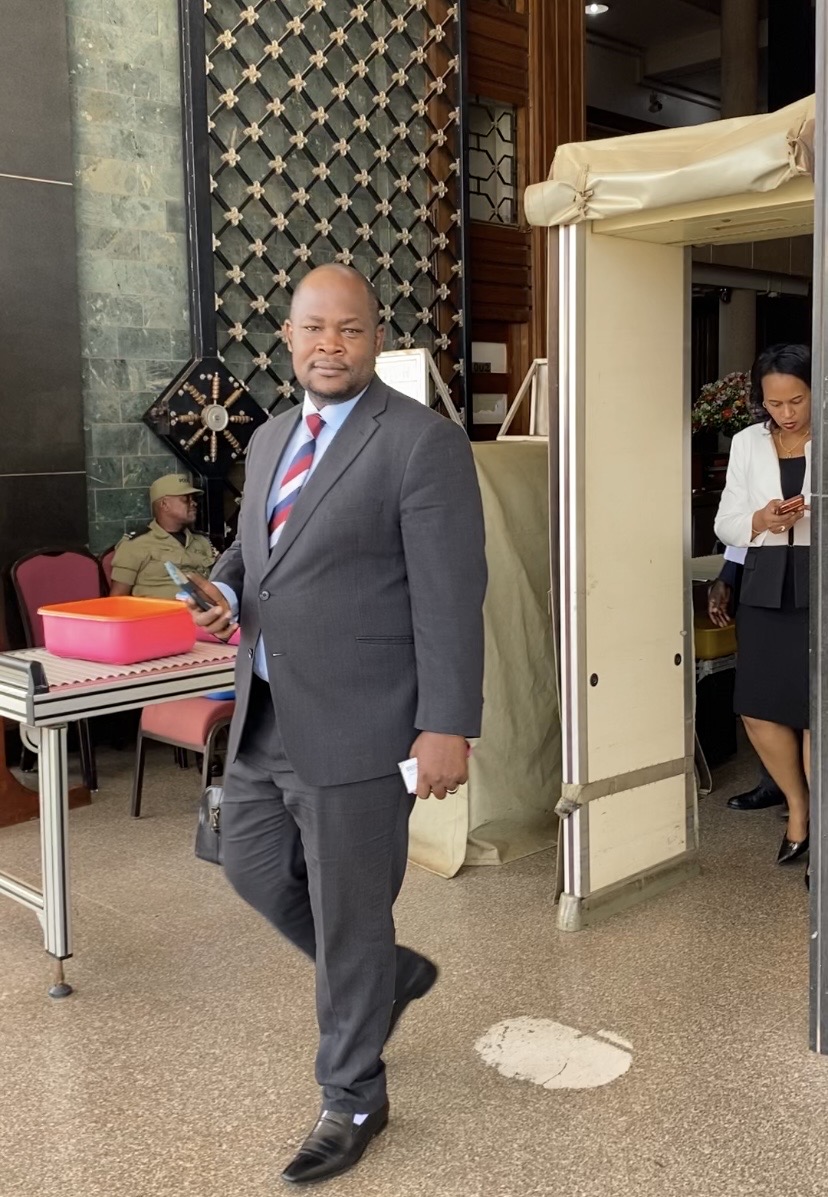

District Governor Kawuki Peter tells Parliamentary committee that Mpigi cannot become a dumping ground without a legal framework guaranteeing infrastructure, social services and local revenue
PARLIAMENT — Mpigi District leaders have called for a comprehensive legal and institutional framework governing the management of the Buyala Waste Management Facility, arguing that communities hosting Kampala’s waste must directly benefit from the economic and social opportunities associated with the facility.
The demand was raised during an engagement between Parliament’s Presidential Affairs Committee and leaders from the Greater Kampala Metropolitan Area, led by the Minister of State for Kampala and Metropolitan Affairs, Hon. Kabuye Kyofatogabye.
The meeting brought together technical and political leaders from Kampala, Wakiso, Mukono and Mpigi districts to discuss issues affecting the wider metropolitan area.
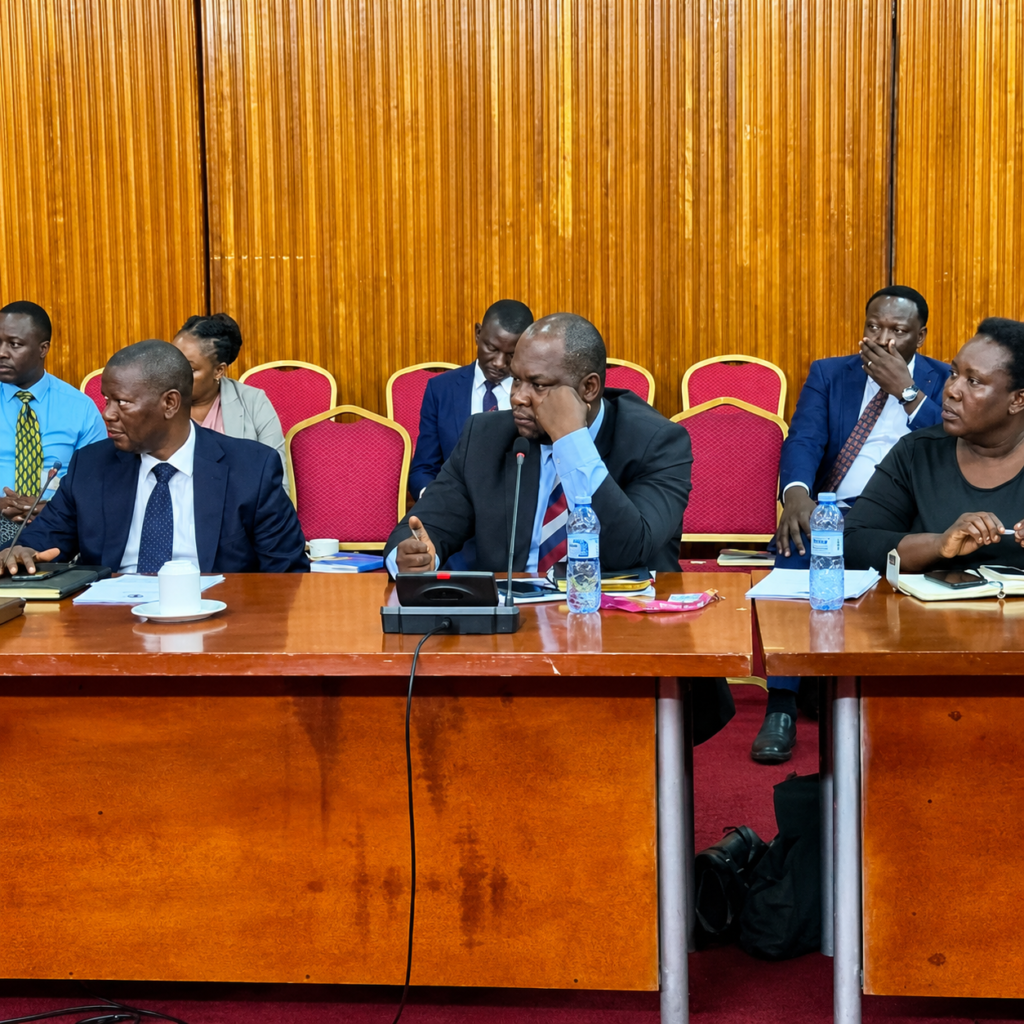
Mpigi District Governor Hon. Kawuki Peter used the appearance before the Parliamentary committee to strongly present the concerns of his constituents over the Buyala waste facility, which is managed by the Kampala Capital City Authority (KCCA).
Kawuki argued that Mpigi should not merely serve as the destination for waste generated elsewhere, but should be recognised as a host district with a clear legal entitlement to social and economic benefits arising from the facility.
He called for the establishment of a proper legal framework that would define the role of Mpigi District and ensure that the local government and surrounding communities have a meaningful stake in the management and benefits of the facility.
“Mpigi is not a cemetery where other entities must dump their garbage and go without guidelines. Roads must be constructed permanently, schools, health centres, safe water for our people must be considered and, of course, local revenue,” Kawuki said.
The Buyala facility has emerged as a major component of Kampala’s response to the city’s waste management crisis following the closure and decommissioning of the Kiteezi landfill after the deadly August 2024 landfill disaster.
KCCA secured 230 hectares of land in Buyala, Mpigi District, for the development of a modern waste management facility. The authority has described the project as a long-term solution incorporating waste treatment and recycling technologies, rather than a conventional dumping site. (kcca.go.ug)
The facility has since become an important waste-handling hub for the Greater Kampala Metropolitan Area. Government information indicates that Buyala currently receives between 1,500 and 2,000 tonnes of waste daily, with more than 150 trucks reportedly delivering waste from Kampala and neighbouring urban centres. (Published By UPPC)
However, the increasing role of Buyala has intensified calls from Mpigi leaders for greater consideration of the host communities.
Kawuki’s position is that while Mpigi is willing to play its part in addressing the metropolitan area’s waste management challenges, the burden should come with tangible benefits for the people living in the host district.
His demands include permanent improvement of roads serving the facility, construction and improvement of schools and health centres, access to safe water, and a mechanism through which Mpigi can benefit from local revenue generated by activities associated with the waste management project.
The concerns echo earlier calls by local leaders for the Buyala project to benefit surrounding communities. In 2025, leaders in Muduuma Sub County, where the facility is located, called for collaboration with KCCA to ensure that the project brings benefits to residents while minimising environmental and health risks. (kcca.go.ug)
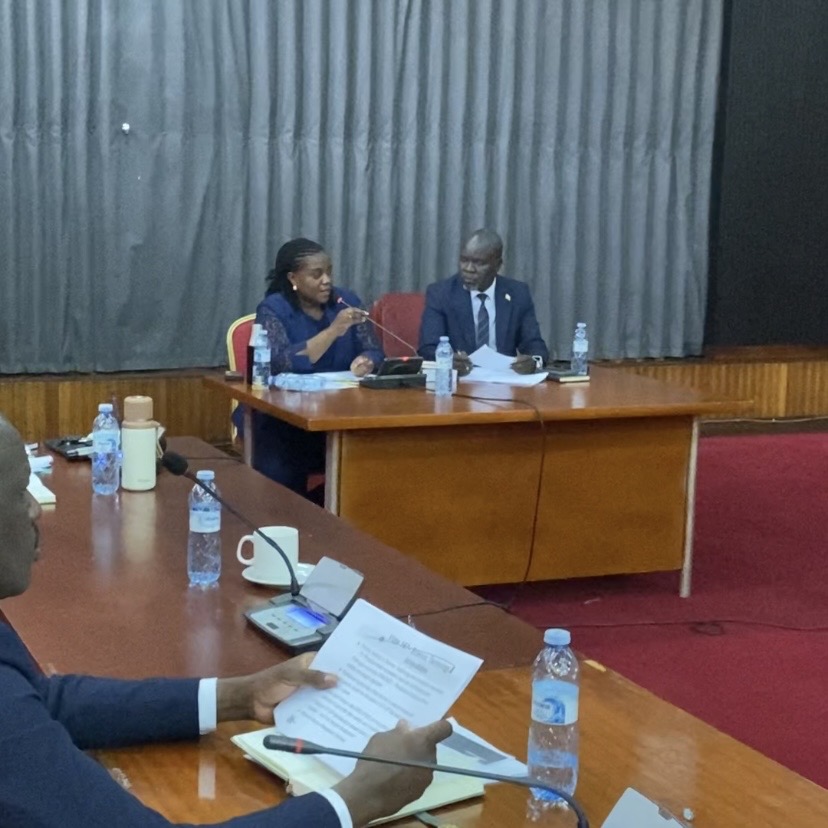
The Buyala project has also attracted significant public investment. In January 2025, Parliament’s Presidential Affairs Committee called for funding for the facility, with a proposed allocation of Shs45.6 billion for its development as part of a wider package addressing waste management and the Kiteezi landfill crisis. (Parliament of Uganda)
The debate now appears to be shifting beyond the question of where Kampala’s garbage should be taken to a broader discussion about who bears the cost and who receives the benefits when one district hosts infrastructure serving a much larger metropolitan population.
For Mpigi leaders, the issue is not simply opposition to waste management. Rather, they argue that the district should be recognised as an equal stakeholder in a project whose impact extends beyond its geographical boundaries.
The engagement with Parliament therefore presents an opportunity for the Government, KCCA and the Greater Kampala Metropolitan Area leadership to establish a clear framework that balances Kampala’s urgent waste management needs with the rights and development interests of communities hosting waste management infrastructure.
As the Buyala facility grows in importance, Mpigi leaders are demanding that the district’s role as a host community be reflected not only in policy discussions but also through concrete investments in infrastructure, public services and local economic development.
The central question now before policymakers is whether Buyala can become a model for responsible metropolitan waste management—one in which the city gets a sustainable solution to its garbage crisis while the host district receives a fair and clearly defined share of the benefits.