


Ezra Twino | Kampala | May 3, 2026
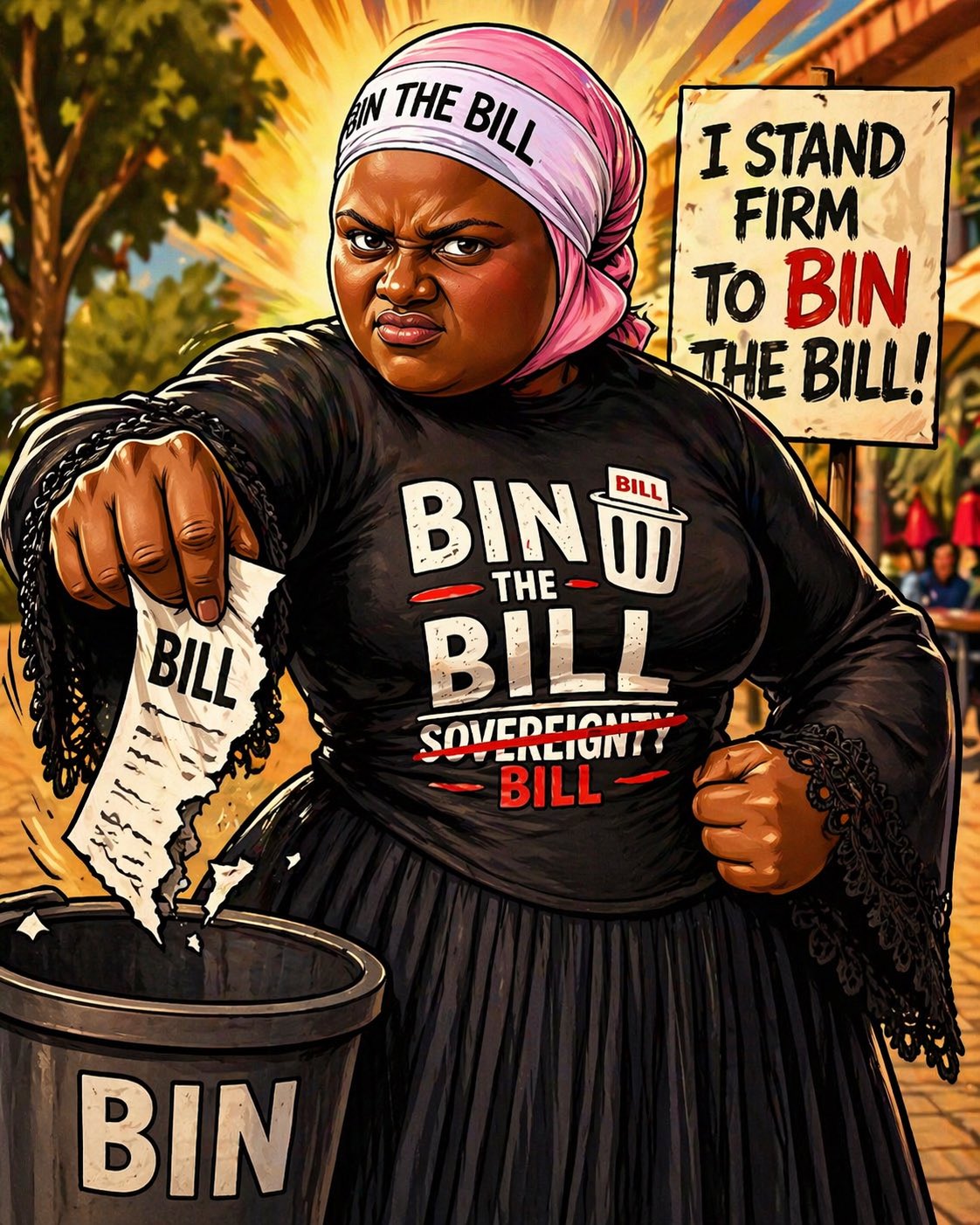
Uganda’s Protection of Sovereignty Bill 2026 is facing collapse after weeks of unanimous opposition at public hearings, a stark economic warning from the Central Bank Governor, and President Yoweri Museveni publicly disowning the draft before Parliament.
COMMITTEE HEARINGS: NOT A SINGLE VOICE IN SUPPORT
The Joint Committees on Defence & Internal Affairs and Legal & Parliamentary Affairs concluded public hearings this week. Every stakeholder who appeared rejected the Bill.
Civil society, the Uganda Law Society, Muslim leaders, Buganda Kingdom, NUP, and the World Bank all opposed it. Activist Miria Matembe said: “The Bill adds no value, instead it serves as a vehicle to overthrow the spirit of the 1995 Constitution.”
The World Bank told Parliament the law could expose “a broad range of its routine development activities” to criminal liability, including organising meetings where alternative policy ideas are discussed. Charities, commercial banks, and rights activists also raised broad criticism.
MPs on the committee flagged overlaps with existing laws. MP Fox Odoi questioned duplication with anti-money laundering statutes. MP Wilfred Niwagaba urged “reconsideration or withdrawal of the proposal in its current form”, citing constitutional concerns. The Opposition formally rejected the Bill as “unnecessary, legally redundant and potentially harmful”.
BOU GOVERNOR: ‘ECONOMIC DISASTER’ WARNING
What many observers called “the last nail in the coffin” came from Bank of Uganda Governor Michael Atingi-Ego. In submissions to the committee posted on the Bank’s X account Tuesday, April 28, 2026, he said the Bill would “diminish financial flows into the East African country and destabilise the country’s balance of payments.”
“The moment you tamper with these inflows here, we risk running down our reserves, and that is economic disaster for a country,” Atingi-Ego said. He warned of inflation “via the depreciation of the exchange rate” that would follow from the currency slide.
He said the requirement for Ugandans receiving money from abroad to register as foreign agents and disclose all funds would hit remittances, FDI, and donor support.
MUSEVENI: “THAT IS NOT THE BILL I INITIATED”
On Thursday, April 30, 2026, President Museveni publicly disowned the draft. In a statement on X, he wrote: “Which Sovereignty Bill is the rwaari about? The one I initiated in the Cabinet or another one? The Bill will stop FDIs, support for religious bodies from abroad, Remittances from Ugandans working abroad… Really!! That is not the Bill I initiated.”
Museveni said his version was “about what we fought for… Sovereignty in policy decision-making”, not capital controls. “Sovereignty means: ‘Please, muteleke (leave us alone), so that we make our own decisions.’ Do not fund groups to influence our decisions as a country.”
He told Parliament to “make the Bill concentrate on the Sovereignty of policy-decision-making and not to meander in the areas of the freedom of private enterprise transfers.”
WHAT THE BILL PROPOSED
Gazetted April 13, 2026 and tabled April 15, 2026, the Bill required any Ugandan receiving foreign money to register as a “foreign agent”, get a government certificate, and disclose all funds. It criminalised developing or promoting alternative public policies without approval. Penalties: up to 20 years prison for individuals; Shs4 billion for institutions.
Critics said it mirrored Russian-style “foreign agent” laws used to crush dissent.
AMENDMENTS AND NEXT STEPS
Following the backlash, Attorney General Kiryowa Kiwanuka said the Bill “has been redrafted to address public concerns.” Exemptions now cover BOU-supervised financial institutions, licensed medical and educational institutions, and religious organisations.
Parliament is scheduled to debate the amended Bill at plenary on Tuesday, May 5, 2026, at 2:00 p.m.